
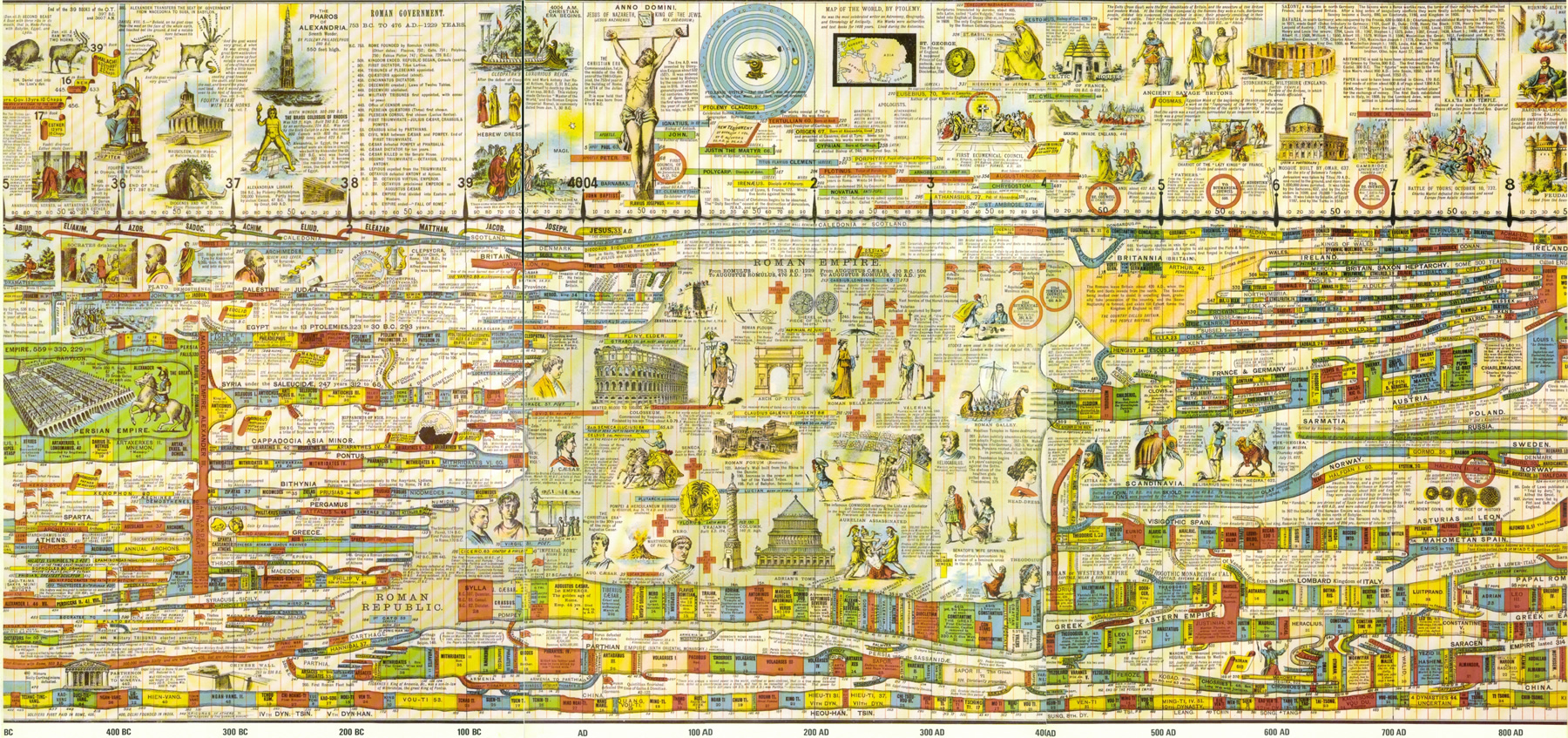
I was thinking the other day about all of the innovation over the centuries that God has used to communicate Gospel message to people. This is especially relevant to our conversations as we try and convince both ourselves and others that Digital Contact Work is a way to communicate the Gospel effectively to teens and young adults.
And while I’m sure someone else much more qualified could give a more nuanced version of this, here’s what I put together for myself. I’m curious if you think I missed anything.
A Timeline of Communication in Christianity
1. Oral Tradition and Early Church (1st Century)
- Oral Tradition: Early Christians relied on word of mouth to share Jesus’ teachings.
- Preaching and Teaching: Apostles like Peter and Paul traveled on foot and by boat to spread the gospel through sermons and personal encounters in new cities around the Mediterranean.
2. Written Scripture and Early Christian Writings (1st to 4th Century)
- Gospels and Epistles: The New Testament was written and circulated among churches, preserving the teachings of Jesus and early church leaders.
- Paul’s Letters: Used to address issues, provide guidance, and maintain unity across the growing Christian community.
3. Manuscript Copying and Monastic Scribes (1st to 15th Century)
- Manuscript Copying: Monks and scribes hand-copied Scriptures and religious texts, preserving Christian teachings.
- Illuminated Manuscripts: Beautifully decorated texts like the Book of Kells added artistic value to the Scriptures to show importance and reverence to Scripture.
4. Councils and Creeds (4th to 8th Century)
- Ecumenical Councils: Meetings like Nicaea (325 AD) defined doctrine, and their decisions were communicated across the Christian world through letters and edicts.
5. Cathedrals and Visual Storytelling (12th to 16th Century)
- Architecture: Incredible and complicated churches and buildings were devised and built, sometimes taking hundreds of years, that still last today (Notre Dame)
- Stained Glass and Art: Used in churches to depict biblical stories, helping educate the illiterate and engage worshipers visually.
6. Pilgrimages and Relics (11th to 16th Century)
- Pilgrimages: Journeys to holy sites facilitated the sharing of stories and teachings across regions.
7. Vernacular Translations (14th to 15th Century)
- Bible Translations: Pioneers like John Wycliffe translated the Bible into common languages, increasing accessibility.
8. Mystical and Devotional Writings (13th to 15th Century)
- Devotional Literature: Writings by mystics like Julian of Norwich offered spiritual insights and personal piety guidance.
9. Universities and Scholasticism (12th to 14th Century)
- Scholasticism: The rise of universities facilitated theological study and systematic Christian thought.
10. The Printing Revolution (15th Century)
- Printing Press: Invented by Gutenberg, it enabled mass production of Bibles and texts, democratizing access to Scripture.
11. The Protestant Reformation (16th Century)
- Pamphlets and Tracts: Reformers like Martin Luther used pamphlets to spread their ideas quickly and widely. The printing press enabled the mass production of these materials, allowing for rapid dissemination of Reformation theology.
- Bible Translation and Distribution: The printing press facilitated the translation of the Bible into vernacular languages, making Scripture accessible to the common people. This empowered individuals to read and interpret the Bible for themselves.
12. Religious Art and Music (16th to 18th Century)
- Sacred Music: Composers like Johann Sebastian Bach used music to communicate theological themes, creating compositions that were both artistic and educational. Hymns and choral works became integral to worship and teaching.
- Religious Art: Artists like Michelangelo and Caravaggio created works that conveyed biblical narratives and religious themes, making the stories of the Bible accessible and engaging to a wider audience.
13. The Enlightenment and Rational Discourse (17th to 18th Century)
- Theological Debate and Discourse: The Enlightenment emphasized reason and individualism, prompting Christians to engage in theological debate and apologetics to defend and articulate their faith in a changing intellectual climate.
- Scientific Advancements: As science advanced, Christians engaged with new discoveries, integrating faith with reason and contributing to fields such as astronomy and physics.
14. The Great Awakenings and Revival Movements (18th to 19th Century)
- Revival Preaching: The Great Awakenings were characterized by dynamic preaching and large public gatherings, using emotional appeal and charismatic leadership to rekindle faith and religious commitment.
- Itinerant Preachers: Evangelists like John Wesley and George Whitefield traveled extensively, using outdoor preaching to reach large audiences and spark religious revival.
15. The Rise of Newspapers and Periodicals (18th to 19th Century)
- Christian Publications: Newspapers and magazines began to publish Christian content, including sermons, essays, and theological debates, expanding the reach of Christian thought and discussion.
- Missionary Reports: Periodicals provided updates on missionary activities, keeping believers informed and engaged with global evangelism efforts.
16. The Industrial Revolution and Urbanization (19th Century)
- Urban Ministry: As populations moved to cities, churches adapted to urban settings, using new methods to reach diverse and growing communities.
- Social Reform: Christians played key roles in social reform movements, using communication tools to advocate for issues like abolition, education, and labor rights.
17. The Development of Mass Media (Late 19th to Early 20th Century)
- Telegraph and Telephone: These technologies allowed for faster communication across distances, enabling churches and organizations to coordinate efforts more efficiently.
- Religious Broadcasting: The advent of radio provided a new platform for evangelism and teaching, reaching audiences beyond the physical walls of churches.
18. Modern Communication Methods (20th Century)
- Radio and Television: Broadcast sermons and religious programs expanded the reach of the gospel globally.
19. The Internet and Digital Media (Late 20th Century to Present)
- Websites and Podcasts: Online platforms made Christian content widely accessible.
20. Social Media Today
- Social Media Platforms: Tools like Facebook, Instagram, and YouTube enable real-time engagement with a global audience.
- Virtual Communities: Connect believers, share resources, and foster dialogue across geographical boundaries.
After all this, I began to wonder as well, “What could be next?” And while these things are completely speculative and I’m not even sure how I feel about it all it’s fun to imagine.
1. Virtual Reality and Augmented Reality
- Immersive Worship Experiences: Virtual reality (VR) and augmented reality (AR) could create immersive worship experiences, allowing believers to participate in church services, Bible studies, and fellowship gatherings from anywhere in the world.
- Biblical Education: AR could be used to bring biblical stories to life, offering interactive educational tools that make learning more engaging.
2. Artificial Intelligence
- Personalized Discipleship: AI could provide personalized discipleship programs, offering tailored spiritual growth plans based on individual needs and preferences.
- Automated Outreach: AI-driven chatbots and virtual assistants might engage with seekers and provide answers to faith-related questions, reaching people at any time.
3. Global Connectivity and Language Translation
- Instant Translation: Advances in real-time translation could break down language barriers, enabling seamless communication and collaboration among believers worldwide.
- Remote Evangelism: Global connectivity will allow missionaries to engage with unreached people groups through digital means, even in remote or restricted areas.
4. Decentralized Networks
- Blockchain and Decentralization: Blockchain technology could lead to decentralized networks for Christian communities, allowing secure and transparent sharing of resources, donations, and content.
- Community Governance: Decentralized platforms might enable community-driven decision-making and governance within church structures.
5. Enhanced Data and Analytics
- Targeted Outreach: Data analytics could help churches better understand their communities, enabling more targeted outreach and personalized ministry efforts.
- Measuring Impact: Churches could use data to assess the impact of their programs and initiatives, refining strategies for greater effectiveness.
Some of this seems pretty fun, but some of it seems a bit scary…I guess we’ll see.
